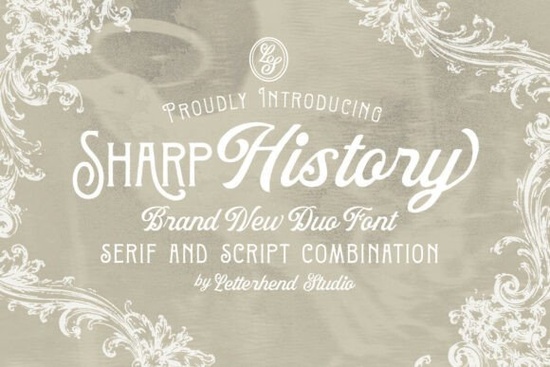
If you're looking for a font that blends vintage elegance with modern versatility, Sharp History is worth a closer look. This font duo featuring a decorative serif and a flowing script was designed to work together seamlessly, offering just the right amount of character without overwhelming your layout. Whether you’re designing wedding stationery, packaging labels, or branding elements for a small business, Sharp History brings a refined, timeless feel that’s hard to replicate with generic typefaces.
What makes Sharp History stand out from other vintage fonts?
Many vintage-inspired fonts lean heavily into ornamentation, which can limit their usability. Sharp History avoids that pitfall by balancing detail with readability. The serif component includes subtle flourishes think tapered serifs and gentle curves that nod to early 20th-century typography without sacrificing clarity. Meanwhile, the script companion offers natural, hand-drawn strokes that mimic real handwriting, making it ideal for personal touches like names, quotes, or monograms.
Because it’s a duo, you get flexibility: pair both styles for contrast (serif headlines with script subtitles), or use them separately depending on your project’s tone. This adaptability is especially useful for print-on-demand sellers who need fonts that work across mugs, tote bags, and greeting cards without looking out of place.
How can designers and small businesses use this font effectively?
Sharp History shines in contexts where sophistication and nostalgia matter. Here are a few practical applications:
- Wedding invitations: Use the script for the couple’s names and the serif for event details it creates hierarchy while maintaining harmony.
- Branding for boutique shops: Coffee roasters, florists, or artisanal soap makers can use the serif for logos and packaging to convey heritage and care.
- Editorial layouts: Magazine spreads or blog headers benefit from the serif’s clean yet distinctive presence, especially when paired with minimalist photography.
- Greeting cards and gift tags: The script adds a personal, handwritten vibe that feels warm and authentic.
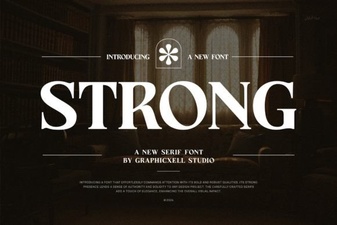
If you enjoy fonts with similar editorial polish, you might also explore options like Medvilea, which leans more toward contemporary magazine typography, or Strong Font for bolder, display-focused serif work.
Is Sharp History easy to use for beginners?
Yes. Both fonts come in standard OpenType formats (.OTF/.TTF), so they install and work like any system font in design software such as Adobe Illustrator, Canva, or Affinity Designer. The script includes basic ligatures and alternates, but you don’t need advanced typography knowledge to get great results just type and style as usual.
One helpful tip: because the script has varying stroke widths and delicate connections, avoid using it at very small sizes (below 12pt) in print. It’s best reserved for headlines, accents, or medium-to-large display text where its nuances can be appreciated.
How does it compare to other serif-script duos?
Not all font pairs are created equal. Some combos feel mismatched, as if two unrelated fonts were forced together. Sharp History was built from the ground up as a cohesive set the x-heights, weights, and stylistic rhythms align intentionally. This means your designs will feel unified, not cluttered.
For example, while Sharp History leans into soft vintage charm, other duos might emphasize drama or modern minimalism. Knowing your brand voice helps you choose wisely. If your aesthetic is “classic with a whisper of romance,” this duo fits better than something stark or overly geometric.
Final tip before you download
Before committing, consider your project’s color palette and texture. Sharp History works beautifully over muted backgrounds think linen, watercolor washes, or kraft paper but may get lost on busy patterns. Pair it with neutral or earthy tones to let its details shine.
Quick checklist before using Sharp History:
- Confirm your design needs both a serif and a script (or just one).
- Test readability at your intended size especially for the script.
- Use sparingly: one or two focal points per layout prevent visual fatigue.
- Pair with simple sans-serifs (like Montserrat or Lato) if you need body text.
With thoughtful use, Sharp History can add quiet confidence and vintage warmth to your creative projects without trying too hard.
Explore Design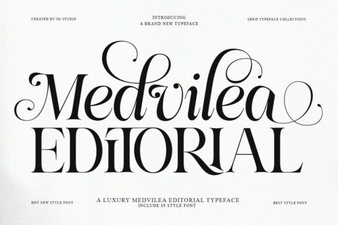 Medvilea Font: Elegant Editorial Typeface for Design Projects
 Choosing the Right Strong Font for Your Design
 Godplan Font for Modern Website Design
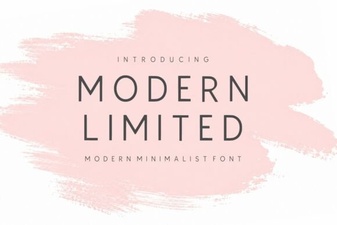 Fresh Typography: Modern Limited Font Design Ideas
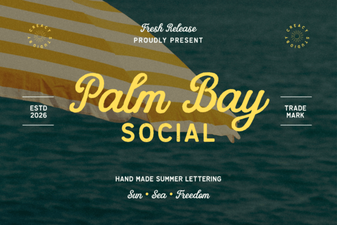 The Palm Bay Font: Creative & Casual Social Branding
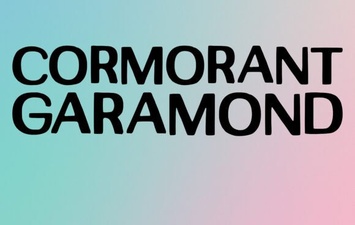 Cormorant Garamond for Creative Projects